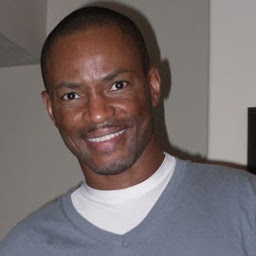
Many people want to grow spiritually, improve their health, strengthen their relationships, become more disciplined, and make a meaningful difference. They know the kind of person they want to become, but they struggle to answer a simpler question:
What should I do today?
Growth is rarely built through occasional inspiration. It is built through daily habits.
That is why I developed The HOPE Framework, a practical and repeatable system for aligning your daily routine with God's purpose.
HOPE is also the mission that has guided much of my life:
Helping Other People Elevate.
For me, HOPE is more than an encouraging word. It is a way to approach each day with spiritual direction, honest reflection, faithful action, and intentional service.
The framework is simple:
- H — Hear God
- O — Observe Yourself
- P — Pursue Excellence
- E — Elevate Others
These four practices can turn an ordinary daily routine into a life of purpose.
I Did Not Discover HOPE in One Place
The HOPE Framework did not come from one book, one sermon, one business, or one moment.
It developed over decades of serving in different roles.
I have been a musician, minister, mentor, husband, father, technology professional, entrepreneur, and civilian male military spouse. Those roles may appear unrelated, but each one taught me something about listening, self-awareness, discipline, service, and purpose.
As a musician and producer, I learned that every meaningful composition begins with listening.
Before I play, arrange, mix, or produce, I have to hear something. Sometimes it begins with a melody. Sometimes it is a chord progression, a rhythm, or an emotion I am trying to express. The music may eventually involve software, instruments, and technology, but the process begins with listening.
As a minister, I learned that people do not need another collection of personal opinions. They need truth, wisdom, grace, and practical direction rooted in God's Word.
Before I can teach anyone else, I must first allow God to examine and teach me.
As a mentor, coach, and camp leader, I have spent time with young men in athletic settings, classrooms, camps, community programs, and ordinary conversations. I have watched them wrestle with identity, discipline, pride, fear, responsibility, faith, and purpose.
Young men often need more than motivation. They need a framework they can remember when pressure comes.
As a civilian male military spouse, I learned how to support someone else's calling while continuing to develop my own. Military family life includes transitions, sacrifices, changing responsibilities, long seasons of uncertainty, and the need to adapt without losing your identity.
It taught me that leadership does not always happen from the front of the room. Sometimes leadership means supporting, stabilizing, encouraging, and serving faithfully when few people see what you are carrying.
As a husband and father, I learned that leadership begins at home.
The most important moments are often quiet. They happen during difficult conversations, family decisions, ordinary routines, personal sacrifices, prayer, correction, encouragement, and the decision to remain present.
As the founder of Myel Media, Myel Music, and TJ Technology Professionals, I learned that systems matter.
Whether I am developing a website, producing music, publishing content, solving a technical problem, or building a business process, inspiration alone is not enough.
Inspiration may begin the work.
A system helps sustain it.
Looking back, I realized that God had been teaching me the same pattern in every area of my life.
Hear Him.
Observe myself honestly.
Pursue excellence with what He has placed in my hands.
Elevate someone else.
That pattern became the HOPE Framework.
Why We Need a Daily Framework
Many people approach personal growth as a collection of disconnected goals.
Read the Bible more.
Exercise consistently.
Eat better.
Become more disciplined.
Build stronger relationships.
Pray more.
Manage time better.
Serve other people.
Each goal has value, but without structure, those goals compete for attention. The urgent begins to replace the important. Good intentions become postponed. Personal growth becomes inconsistent.
A framework gives daily growth a rhythm.
It reduces confusion.
It creates a repeatable pattern.
It helps you return to what matters when life becomes noisy, busy, uncertain, or demanding.
The HOPE Framework is not meant to make every day rigid. It is meant to give each day direction.
H — Hear God
“My sheep listen to my voice; I know them, and they follow me.”
— John 10:27
Every day begins with a choice.
Will you begin with God's voice or the world's noise?
Many people start the day by checking notifications, email, news, social media, schedules, and unfinished tasks. Before their feet touch the floor, their minds are already reacting.
The HOPE Framework begins differently.
It begins by listening.
As a musician, I understand the importance of listening before acting. When I sit at a keyboard, I do not always begin with a complete plan. Sometimes I play one chord and wait. I listen for what should come next.
That same discipline applies to my walk with God.
There have been many seasons when I wanted immediate answers, but God first called me to slow down, pay attention, and trust what He had already spoken.
Hearing God does not require chasing mysterious signs. It begins with Scripture, prayer, quiet reflection, and a willingness to obey.
Daily practices may include:
- Reading a passage of Scripture
- Praying before checking your phone
- Sitting quietly before making decisions
- Writing down one truth to remember
- Expressing gratitude
- Asking God for wisdom
- Reviewing what God has already shown you
Useful questions include:
- What has God already said?
- What truth do I need to remember today?
- What promise should guide me?
- What instruction do I need to obey?
- What voice has been influencing me lately?
The goal is not to create a spiritual performance.
The goal is alignment.
Without hearing God first, we can spend the entire day reacting to pressure, fear, ego, comparison, and distraction.
When God's voice becomes the starting point, the day gains direction.
O — Observe Yourself
“Search me, God, and know my heart; test me and know my anxious thoughts.”
— Psalm 139:23
Listening to God should lead to honest self-examination.
Most people find it easier to evaluate others than to examine themselves.
We notice another person's attitude, weakness, pride, inconsistency, or lack of discipline. We are slower to recognize those same patterns within our own lives.
Ministry taught me the importance of examining my own heart before speaking into someone else's life.
Before preaching, teaching, coaching, mentoring, or correcting, I have to ask what God is revealing in me.
Am I speaking from wisdom or frustration?
Am I serving from love or ego?
Am I acting from faith or fear?
Am I correcting someone else while ignoring something in myself?
Observation is not self-condemnation.
It is awareness.
You cannot surrender what you refuse to recognize.
You cannot correct a pattern you will not name.
You cannot grow while constantly blaming someone else.
Daily observation may include:
- Naming what you are feeling
- Identifying what triggered your reaction
- Examining your motives
- Recognizing unhelpful thought patterns
- Admitting where you are avoiding responsibility
- Paying attention to your physical and emotional condition
- Confessing what needs correction
Ask yourself:
- What am I feeling?
- Why am I feeling it?
- What am I assuming?
- What am I avoiding?
- What fear is influencing me?
- Where am I becoming defensive?
- What does God want to transform in me?
My years of mentoring young men have reinforced this lesson.
Many struggles that appear to be problems with behavior are rooted in something deeper. A young man may appear angry when he is actually afraid. He may appear arrogant when he feels insecure. He may reject correction because he has connected his mistakes to his identity.
Adults do the same thing.
Observation helps separate what happened from the story we are telling ourselves about what happened.
It creates space for truth, responsibility, grace, and growth.
P — Pursue Excellence
“Whatever you do, work at it with all your heart, as working for the Lord.”
— Colossians 3:23
After hearing God and examining yourself, the next step is action.
Many people remain stuck because they confuse reflection with progress.
They think.
They plan.
They analyze.
They wait for motivation.
At some point, the next faithful action must be taken.
Excellence is often misunderstood.
Excellence is not perfection.
It is not comparison.
It is not performing for approval.
Excellence is the faithful use of what God has placed in your hands.
My work in music, technology, publishing, and business has taught me that excellence is usually built through ordinary decisions.
No website builds itself.
No music catalog organizes itself.
No article publishes itself.
No business system improves without attention.
No meaningful project reaches completion through inspiration alone.
The work requires consistent action.
Through TJ Technology Professionals, I have seen how technical problems are often solved one step at a time. You identify the issue, examine the system, test a solution, make corrections, and continue.
Through Myel Music, I have learned that creativity still requires stewardship. A song may begin with inspiration, but producing, arranging, naming, organizing, publishing, licensing, and promoting it requires discipline.
Through Myel Media, I have learned that ideas only become useful when they are developed and published.
A strong idea left unfinished helps no one.
Pursuing excellence means asking:
- What is the most important thing I need to complete today?
- What has God already placed in front of me?
- What am I delaying?
- What deserves my full attention?
- What needs to be finished before I begin something new?
- What would faithfulness look like today?
Excellence is often quiet.
It looks like showing up.
Keeping your word.
Preparing before the opportunity.
Finishing what you start.
Making corrections.
Learning new skills.
Caring about the quality of your work.
Doing the right thing when no one is watching.
Small acts of faithfulness eventually shape a life of strength and credibility.
E — Elevate Others
“Encourage one another and build each other up.”
— 1 Thessalonians 5:11
Personal growth is incomplete when it ends with you.
God does not give wisdom, experience, strength, creativity, influence, or opportunity so we can build isolated lives.
Everything we receive can become a tool for serving someone else.
This is where the different roles in my life come together.
Music has its highest purpose when it helps someone feel, reflect, heal, remember, worship, or hope.
Ministry has purpose when people encounter truth and experience transformation.
Technology has purpose when it solves real problems and helps people move forward.
Publishing has purpose when ideas become useful resources.
Mentoring has purpose when a young man begins to see himself differently and make wiser decisions.
Marriage has purpose when two people strengthen, support, and serve one another.
Fatherhood has purpose when a child is guided, protected, challenged, encouraged, and loved.
Being a military spouse has purpose when support makes another person's service and leadership possible.
Every role becomes meaningful when it helps someone elevate.
This does not always require a large platform.
Elevation often happens through small actions:
- Calling someone who is struggling
- Encouraging a young person
- Sharing knowledge
- Solving a practical problem
- Praying with someone
- Giving honest correction
- Listening without rushing
- Helping someone recognize their value
- Teaching a skill
- Forgiving an offense
- Being present
- Opening a door for someone else
Ask yourself:
- Who needs encouragement today?
- Who can I serve?
- Who needs wisdom?
- Who needs someone to listen?
- Who can benefit from what I know?
- Who needs a second chance?
- Who can I help take one step forward?
The older I become, the less interested I am in achievement that benefits only me.
I want my work to matter.
I want my music to carry meaning.
I want my ministry to produce growth.
I want my technology skills to solve problems.
I want my writing to give people direction.
I want my mentoring to help young men become responsible, disciplined, emotionally healthy, Christ-following men.
I want my family to experience my presence, leadership, encouragement, and love.
That is why HOPE is more than an acronym to me.
It is my life mission:
Helping Other People Elevate.
The HOPE Daily Checklist
The framework works because it is simple enough to repeat.
You do not need a complicated planner, a long morning ritual, or several hours of free time.
You need four honest questions.
Hear
- Did I spend intentional time listening to God?
- What truth should guide me today?
- What voice do I need to reject?
Observe
- What am I feeling and why?
- What attitude, fear, or habit needs attention?
- Where do I need to accept responsibility?
Pursue
- What is today's highest priority?
- What faithful action do I need to complete?
- Where do I need greater discipline?
Elevate
- Who can I encourage?
- Who can I serve?
- Whose life can be better because I was present today?
These questions can be answered in a journal, on a phone, in prayer, or during a quiet moment.
The method matters less than the consistency.
Applying HOPE Throughout the Day
The HOPE Framework can guide your morning, your workday, and your evening.
Morning: Establish Direction
Begin by hearing from God.
Read Scripture.
Pray.
Sit quietly.
Write down one truth.
Observe your current condition.
Identify your highest priority.
Choose one person to encourage or serve.
A simple morning entry might look like this:
Hear: God is reminding me to trust Him instead of trying to control every outcome.
Observe: I feel anxious because I am carrying too many unfinished tasks.
Pursue: I will complete the most important project before starting something new.
Elevate: I will call someone who needs encouragement.
That is a daily plan with spiritual and practical direction.
During the Day: Return to Alignment
Life will interrupt your routine.
Unexpected problems will arise.
People may frustrate you.
Plans may change.
Energy may fall.
When that happens, return to HOPE.
Ask:
- What is God saying?
- What is happening inside me?
- What is the next faithful action?
- How can I respond in a way that helps rather than harms?
The framework becomes a compass.
It helps you pause before reacting.
Evening: Review the Day Honestly
At the end of the day, reflect without pretending.
Ask:
- Where did I recognize God's direction?
- Where did I ignore what I already knew?
- What did I learn about myself?
- What did I complete?
- Where did I fall short?
- Who did I help?
- What needs to change tomorrow?
Celebrate progress.
Confess failure.
Receive grace.
Prepare to begin again.
The goal is not a perfect record.
The goal is faithful growth.
HOPE in Every Role
People sometimes ask what I do.
The answer depends on the day.
Some days I am producing music.
Some days I am writing.
Some days I am building or repairing a website.
Some days I am developing a publishing system.
Some days I am mentoring young men.
Some days I am teaching Scripture.
Some days I am supporting my wife.
Some days I am helping my daughter.
Some days I am solving a technology problem.
Some days I am creating something no one has seen before.
Some days I am simply trying to manage myself well.
Those may look like different responsibilities.
I see one calling expressed through different roles.
Every role gives me another opportunity to hear God, examine myself honestly, pursue excellence, and help someone else elevate.
The platform may change.
The mission remains the same.
Why the HOPE Framework Works
Many systems focus only on productivity.
Others focus only on spirituality.
Some emphasize self-improvement while neglecting service.
The HOPE Framework connects all four.
You begin with God.
You examine yourself.
You act with discipline.
You invest in someone else.
That progression protects against several common problems.
Hearing without action can become passive spirituality.
Self-examination without grace can become shame.
Pursuing excellence without self-awareness can become unhealthy performance.
Serving others without listening to God can lead to exhaustion and resentment.
The four practices work together.
Hear gives direction.
Observe produces awareness.
Pursue creates movement.
Elevate gives the work meaning.
From Routine to Way of Life
A framework is useful only when it becomes practice.
At first, you may need reminders.
You may write the four letters on a card.
You may place them beside your bed.
You may add them to your phone.
You may include them in your journal.
Over time, the questions become automatic.
What is God saying?
What is happening inside me?
What is the next faithful action?
Who can I help?
That is when the framework becomes more than a checklist.
It becomes a way of life.
Live Every Day With HOPE
The world encourages us to chase success, recognition, comfort, influence, and approval.
God calls us to faithfulness.
Success is often measured by what we accomplish.
Faithfulness is revealed through who we become and how we steward what we have been given.
Every day is another opportunity.
Hear God before the noise takes over.
Observe yourself before blaming others.
Pursue excellence before making excuses.
Elevate someone before the day is over.
I have applied these lessons in music, ministry, mentoring, technology, entrepreneurship, military family life, marriage, and fatherhood.
The settings have changed.
The principles have remained.
That is the life I am pursuing.
That is the life I am inviting you to pursue.
Live every day with HOPE.
Help Other People Elevate.
Key Takeaways
- Begin each day by listening to God before responding to the world.
- Practice honest self-examination without falling into shame.
- Pursue faithful excellence instead of perfection or approval.
- Use your gifts, work, experience, and influence to serve others.
- Apply the HOPE Framework across every role and responsibility.
- Repeat the process daily until HOPE becomes a way of life.