Every Season Begins with Purpose
Every season begins before the first practice.
Long before the whistle blows or the scoreboard lights up, a young athlete begins making decisions that will shape his performance, his habits, his character, and eventually the kind of man he becomes.
Parents, coaches, and mentors have an incredible opportunity. Sports can become one of God's classrooms for developing discipline, resilience, humility, leadership, and perseverance.
I have spent years mentoring young people through athletics, coaching, ministry, and life. One lesson continues to stand out:
A young man without direction will eventually drift.
That is why goal-setting matters. A goal gives an athlete something to pursue. A worthy goal also gives his effort direction and helps him connect daily decisions to a larger purpose.
Purpose Comes Before Performance
Before we talk about wins, statistics, scholarships, or championships, we have to ask a more important question:
Why do you play?
Purpose shapes decisions. Without it, talent can become inconsistent and success can become temporary.
Faith reminds us that our abilities are gifts from God. We are responsible for developing and managing those gifts well. We can also use them to serve people rather than chasing recognition.
Young athletes need to know that identity does not rise and fall with performance. When an athlete understands that his identity is rooted in who God created him to be, he can compete with greater confidence and peace.
The scoreboard measures the game. It never measures his value.
Goals Turn Vision into Action
Dreams inspire us. Goals move us.
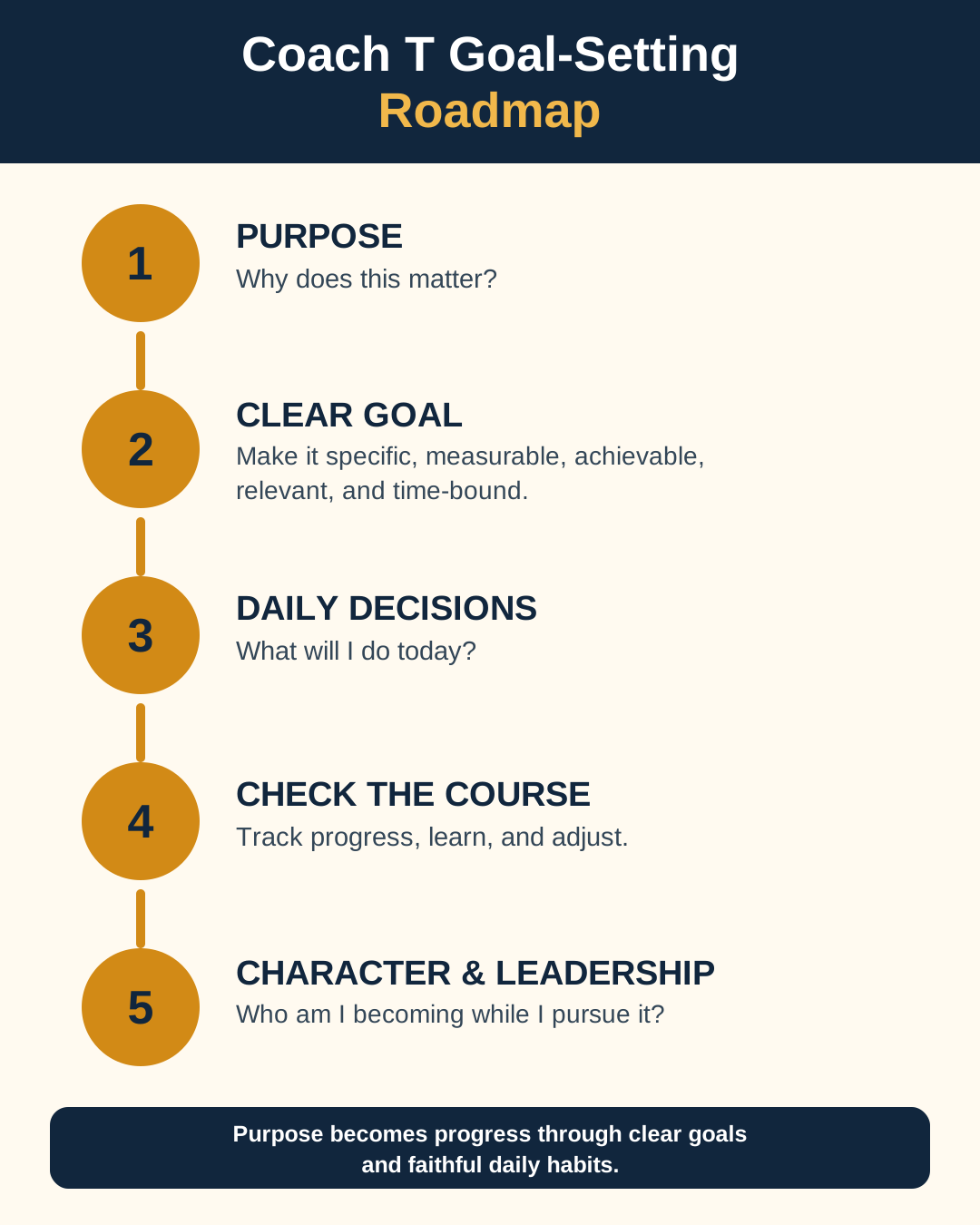
A clear goal gives an athlete direction when emotions change and motivation fades. Instead of hoping to improve, teach your athlete to define what improvement looks like.
- What do you want to accomplish this season?
- What skill do you want to improve?
- What kind of teammate do you want to become?
- What habits will help you get there?
Clear answers produce focused effort. Big goals become manageable when they are broken into daily decisions: each practice, workout, study session, recovery choice, and healthy habit.
Goals Become Reality Through Daily Decisions
As Coach T, I help young men elevate through sports and athletic activities. I use practices, drills, and competition to share life principles, teach manhood themes, and share the gospel message of Jesus Christ. Winning has never been the ultimate goal. I want the young men I coach to leave with stronger character than when they arrived.
I used those same coaching methods with my daughter, Tami, throughout her years in competitive dance and cheer. She had a specific goal: become a champion.
While attending Archbishop Carroll High School in Dayton, Ohio, she wrote in her journal that she wanted to become an NCA Champion.
Then came the daily work.
While she was still in high school, Tami traveled to Southern Methodist University and tried out for the Division I SMU Cheer squad. She was officially selected for the team before graduating.
I later watched her in person and on ESPN at SMU football games. I watched her cheer at basketball games. She did all of this while carrying an overloaded schedule and maintaining an A average as a freshman.
Her accomplishments made me proud. Her heart impressed me most.
Tami was a base - an essential team member who helped lift, throw, and catch other athletes. She literally spent years Helping Other People Elevate.
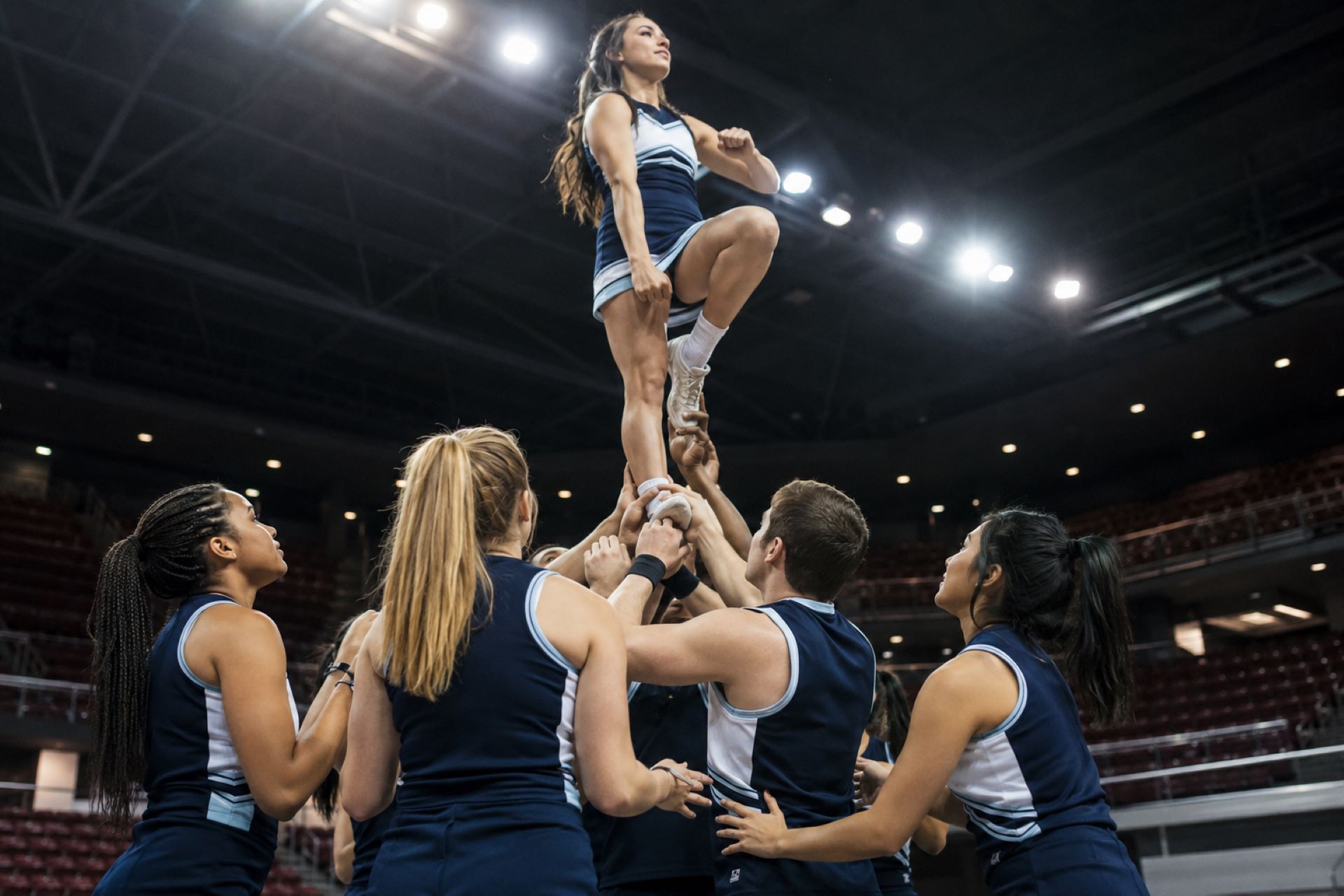
On her biggest stage in Daytona Beach in 2024, Tami was not on the floor for the final performance. She was all in at the corner of the stage, yelling and screaming support for her team.
When SMU became NCA National Champions, there was nothing like watching her achieve the goal she had written years earlier.
I was celebrating a championship. I was also celebrating years of faithfulness, discipline, teamwork, and support.
Tami lived out Helping Other People Elevate throughout her years in competitive dance and cheer. She learned how to set goals. She understands purpose. She walks humbly with God.
Now she is a champion, a world traveler, and preparing to graduate early from college. She is setting her next goals: graduate school and continuing to travel the world.
Her story reminds me that reaching the destination is only one part of a goal. The pursuit also shapes the person we become along the way.
Athletic Success Should Never Cost Character
Winning is exciting. Character lasts.
For those of us raising and mentoring young men, the goal is bigger than producing successful athletes. We are helping develop responsible men.
- Discipline grows when they practice without an audience.
- Commitment grows when they stay faithful after the excitement wears off.
- Resilience grows through losses, injuries, disappointments, and mistakes.
- Humility grows through teamwork.
- Leadership grows when they encourage and elevate others.
Every challenge can become an opportunity to grow. These lessons will remain long after the final game.
Do Not Neglect the Mind
Athletic development and academic growth should support one another. Strong athletes need strong minds.
Learning to manage time, responsibilities, emotions, and priorities prepares a young person for adulthood. The classroom develops many of the same abilities sports demand: preparation, focus, consistency, discipline, and problem-solving.
Balance is not weakness. Balance is maturity.
Tami's freshman year showed me what that balance requires. She carried the responsibilities of a Division I cheerleader, managed an overloaded academic schedule, and maintained an A average. The same habits that helped her contribute to a team helped her remain focused in the classroom.
Make the Goal SMART
One of the simplest tools I use while coaching is the SMART goal framework.
Specific. Replace "I want to get better" with a clear target: "I want to improve my free-throw percentage by ten percent." Specific goals give effort a direction.
Measurable. Make progress visible. Tracking improvement helps an athlete recognize growth and see where more work is needed.
Achievable. Set a goal that stretches the athlete without ignoring his present ability, available time, or circumstances. The right challenge develops confidence and discipline instead of frustration.
Relevant. Connect the goal to long-term growth. Ask, "Will this help me become a better athlete, teammate, student, and man?"
Time-Bound. Give the goal a target date. A deadline creates accountability and turns a good intention into a commitment that can be reviewed.
A SMART goal does not guarantee an outcome. It gives the athlete a clear course and a responsible way to manage the work.
Parents and Mentors Shape the Journey
Goal-setting is an ongoing relationship, not a one-time conversation.
Young athletes need adults who believe in them, encourage them, tell them the truth, and help them stay focused. You do not need every answer. You need to remain present.
Ask about practice. Celebrate progress. Help them learn from setbacks. Remind them that failure can become a teacher. Connect them with coaches and mentors who model integrity, humility, and servant leadership.
Weekly Course Check
- What went well this week?
- Where did you get off course?
- What is your next faithful action?
Listen before you correct. Then help the athlete make one clear adjustment.
Young people rarely become what they are told. They often become what they consistently see.
Faith Is the Foundation
Athletic success is temporary. Character lasts. Faith lasts forever.
Faith does not promise a championship. It gives an athlete a foundation through victories and disappointments alike. Sports can then become preparation for life rather than the source of identity.
The greatest victory is becoming the person God created you to be.
Goals help us grow. Purpose keeps us moving in the right direction. Faith reminds us who we belong to. Together, they can help an athlete build a life marked by character, leadership, and hope.
Set the Course This Week
- What is one goal you want to accomplish?
- Why does that goal matter?
- What action will you take this week?
Write the answers down. Review them every week. Celebrate progress. Correct the course when necessary. Keep pointing your athlete toward purpose.
Do not make the conversation about pressure. Make it about direction.
The goal matters. Who your athlete becomes while pursuing it matters even more.
Published: 8/7/2026 5:00:00 AM

Taurus M. James